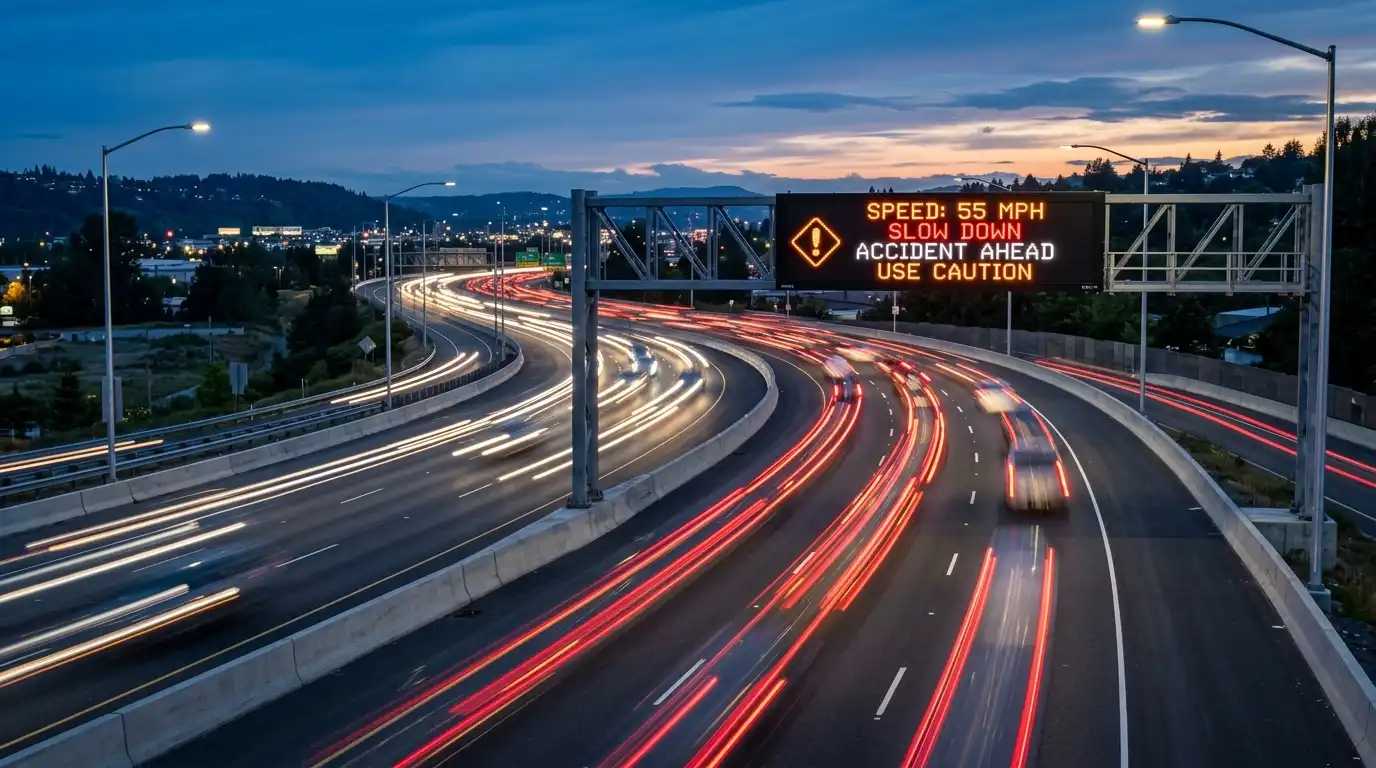
Traffic laws continuously evolve as transportation departments, law enforcement agencies, and local municipalities work to reduce highway fatalities and modernize road safety. Staying up to date on new traffic regulations and driver penalties is essential for every motorist. Ignorance of updated statutes will not prevent steep traffic fines, driver’s license points, or potential license suspensions.
Recent legislative updates introduce stricter enforcement regarding excessive speeding, expanded Move Over mandates, tougher penalties for vehicle equipment alterations, and broader automated camera enforcement systems. This comprehensive breakdown outlines the major statutory changes drivers must understand to stay safe and compliant on the open road.
1. Stricter Penalties for Excessive Speeding and “Super Speeders”
State legislatures nationwide are cracking down on extreme high-speed driving behaviors. The flat penalty structures of the past are increasingly being replaced by tiered fine systems and criminal charges for extreme violations.
- Transition to Criminal Offenses: Driving 50 mph or more over the posted speed limit—or traveling at speeds exceeding 100 mph—is now classified as a criminal offense rather than a routine civil traffic infraction in multiple jurisdictions.
- Mandatory Court Appearances & Jail Time: First-time excessive speed offenders face mandatory court appearances, substantial criminal fines, and potential short-term jail sentences.
- Repeat Offender Penalties: Drivers accumulating repeat high-speed violations within a multi-year window face escalating fines, mandatory driver license suspensions, and higher insurance premiums.
2. Expanded “Slow Down, Move Over” Requirements
Move Over laws were originally created to protect emergency personnel, tow truck operators, and police officers parked on highway shoulders. Updated safety legislation significantly expands these protections to safeguard all stranded motorists and highway workers.
Under updated regulations, drivers approaching any stationary vehicle stopped on the side of the road with flashing hazard lights, warning flares, or reflectors must take immediate action:
- Change Lanes When Possible: On multi-lane highways, drivers must safely shift out of the lane adjacent to the stopped vehicle if traffic conditions permit.
- Slow Down Significantly: If changing lanes is unsafe or impossible due to heavy traffic, drivers are legally required to slow down to a speed significantly below the posted limit as they pass.
Failure to comply carries steep traffic citations, points against your driving record, and increased liability if a secondary collision occurs. For comprehensive highway safety guidance and federal motor vehicle updates, visit the National Highway Traffic Safety Administration (NHTSA).
3. Crackdown on License Plate Obstruction and Stealth Covers
Law enforcement agencies and toll authorities are targeting illegal license plate covers, tinted shields, and electronic obstruction devices designed to evade automated toll collection or traffic cameras.
Recent enforcement mandates include:
- Heavy Financial Fines: Installing or manufacturing physical covers, tinted plastics, or spray coatings that obscure, distort, or interfere with visual or electronic plate reading results in non-correctable traffic infractions carrying heavy statutory fines.
- Immediate Citation Inspections: Officers are authorized to issue citations for plate frame borders that cover state names, registration stickers, or license numbers.
4. Expansion of Automated Camera Enforcement Programs
Municipalities are expanding automated enforcement technologies beyond traditional red-light intersections. Updated civil enforcement frameworks allow cities and counties to deploy camera-based monitoring systems in key safety corridors:
- School & Crash Prevention Zones: Lowered school zone speed limits (often reduced to 20 mph) and designated high-accident corridors are monitored by automated speed detection cameras.
- Civil Penalty Structure: While violations captured via automated camera programs often carry civil financial penalties rather than immediate criminal points on a driving record, unpaid camera citations can block annual vehicle registration renewals.
5. Expanded Use of Ignition Interlock Devices (IIDs)
Driving under the influence (DUI) laws continue to strengthen, particularly regarding repeat offenders and high-BAC incidents. Expanded Ignition Interlock Device (IID) mandates require breathalyzer hardware installed directly into a vehicle’s ignition system.
Under updated regulations, first-time DUI offenders and drivers involved in alcohol-related reckless driving incidents may be required to install an IID at their own expense for a specified monitoring period to retain restricted driving privileges. Probation terms for severe alcohol-related driving offenses have also been extended to ensure long-term oversight.
Summary of Key Rules and Penalty Thresholds
The following breakdown highlights the core operational updates and potential consequences for non-compliance:
- Excessive Speeding (50+ MPH Over Limit): Reclassified as a criminal offense, carrying potential jail time, court appearances, and license suspension.
- Move Over Violations: Applies to all stationary vehicles displaying hazard lights; requires lane shifts or reduced speed.
- License Plate Obscuration: Heavy infractions for tinted covers, frames, or spray coatings that block camera readability.
- Ignition Interlock Mandates: Broader application for DUI offenses requiring breathalyzer-controlled vehicle starts.
How Drivers Can Stay Safe and Compliant
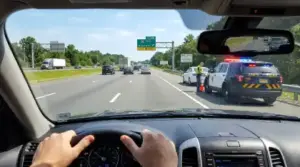
Adapting to new traffic regulations and driver penalties requires proactive awareness behind the wheel. You can protect your driving record and avoid unexpected fines by taking simple steps:
- Check your vehicle’s exterior to ensure license plates are completely unobstructed by decorative frames or tinted covers.
- Build extra travel time into daily commutes so you never feel pressured to exceed posted speed limits.
- Practice defensive space management by moving over or slowing down whenever you see flashing hazard lights on the shoulder.
- Set mobile devices to driving modes to eliminate cognitive and physical distractions before putting your vehicle in drive.
By staying informed and prioritizing attentive defensive driving practices, you protect your wallet, maintain a clean driving record, and help keep shared roadways safe for everyone.